Furniture manufacturer
Wood offcuts could become small home or display products. Investigate usable sizes, material condition, making skills, and potential buyers.
 Localize This Idea
02 · Transfer · One model, different contexts
An idea creates value in one setting. What could transfer to a new place, industry, or purpose? In this story, keep the livelihood objective in view and explore how different waste streams, capabilities, and demand could support the same business logic.
Identify a usable discarded material.
Combine material with skills and demand.
Earn enough to pay for the work.
What travels
In this example, the objective remains the same: turn an overlooked waste stream into useful products and local income. What travels is the mechanism connecting discarded material, production capabilities, and customer demand.
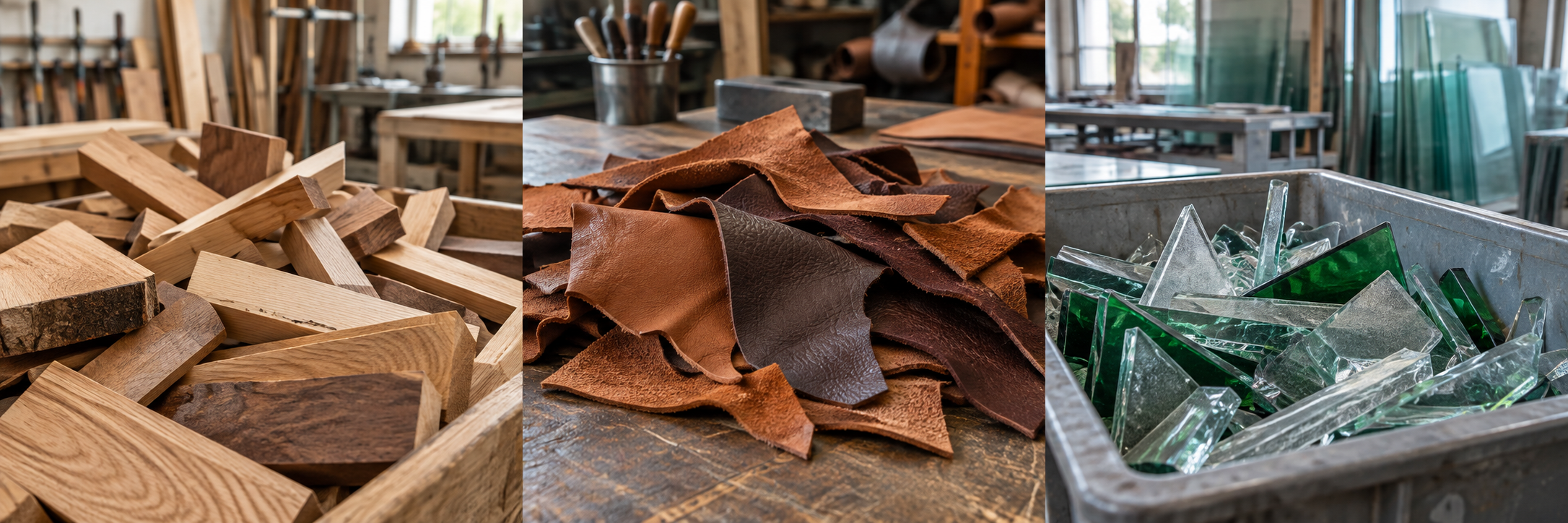
In a new place, that could involve fishing nets again, or locally available wood, leather, or glass. The essential conditions must still be met, but the materials, partners, and ways of meeting them may differ.
Three local industries to explore
Wood offcuts could become small home or display products. Investigate usable sizes, material condition, making skills, and potential buyers.
Leather offcuts could become stacked-leather pen barrels or other small accessories. Investigate material suitability, making partners, and customer needs.
Suitable glass offcuts could find a new use through a capable processing partner. Investigate glass type, sorting, handling, equipment, and demand.
Compare before committing
Identify the conditions that make the original model viable. Then explore how each could be met in the new setting, using local evidence rather than assuming the same approach will work.
A dependable source of usable material must exist. What is available locally, who controls it, and what would collection and preparation involve?
The material must become a product of consistent quality. What local skills, equipment, and partnerships could support production?
Customers must value the offer enough to buy it. How do local needs, alternatives, and expectations shape what they would purchase?
Revenue must sustain the work. How would local prices, costs, and production capacity affect the model’s viability?
You do not need identical conditions. You need evidence that the essential requirements can be met locally.
Selected possibility · Leather shop
Could small leather remnants become the barrel of a well-made pen? In this local scenario, a leather shop explores a partnership with a skilled pen maker. The objective stays the same: turn an overlooked waste stream into useful products and local income.

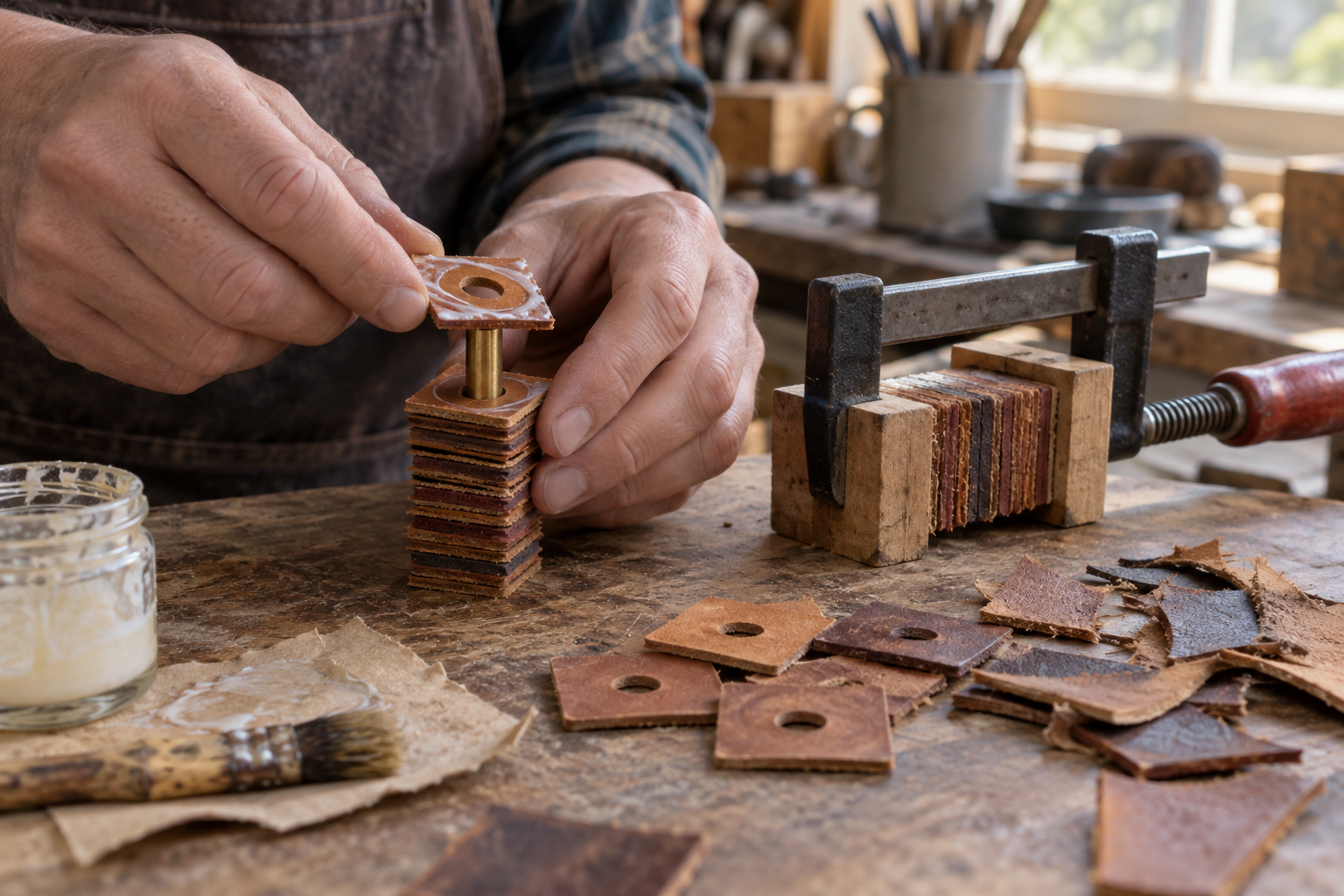
The mechanism: turn suitable offcuts into finished pen barrels, add reliable components, and sell a product customers value.
Local leather offcuts must provide enough usable material for consistent production.
Available makers, tools, and components must produce durable, well-finished pens.
Identifiable customers must value the pens at a price that supports the business.
Revenue must cover sourcing, production, and selling while providing worthwhile local income.
These are the requirements. How you meet them will depend on the place. Adapt explores how to put the model into practice and adjust as local realities change.
Try the question
Choose a local waste stream. What would you need to learn before trying the model?